
Introduction
Waiting weeks—or even months—for a garden to flourish can test anyone’s patience. Whether you’re growing vegetables, herbs, or flowers, slow progress often leads to frustration. That’s where a grow a garden script can make a real difference.
A grow a garden script is designed to automate and optimize gardening processes, helping you achieve faster, healthier harvests with less manual effort. In this guide, you’ll learn exactly what it is, how it works, and how to use it effectively—even if you’re a beginner.
BIO
| Label | Information |
|---|---|
| Full Name | Bayard Martensen |
| Known For | Professional background and public interest |
| Profession | Business professional |
| Industry | Corporate / Private sector |
| Nationality | American |
| Education | Business-related studies |
| Career Focus | Strategy and operations |
| Public Presence | Low-profile, limited media exposure |
| Notability | Known through associations and background |
| Key Strengths | Analytical thinking, leadership |
| Online Interest | Growing search curiosity |
| Purpose of Article | Provide clear and verified information |
What Is Grow a Garden Script?
A grow a garden script is a set of automated instructions or programmed actions used to manage gardening tasks such as watering, lighting, fertilizing, and monitoring plant growth.
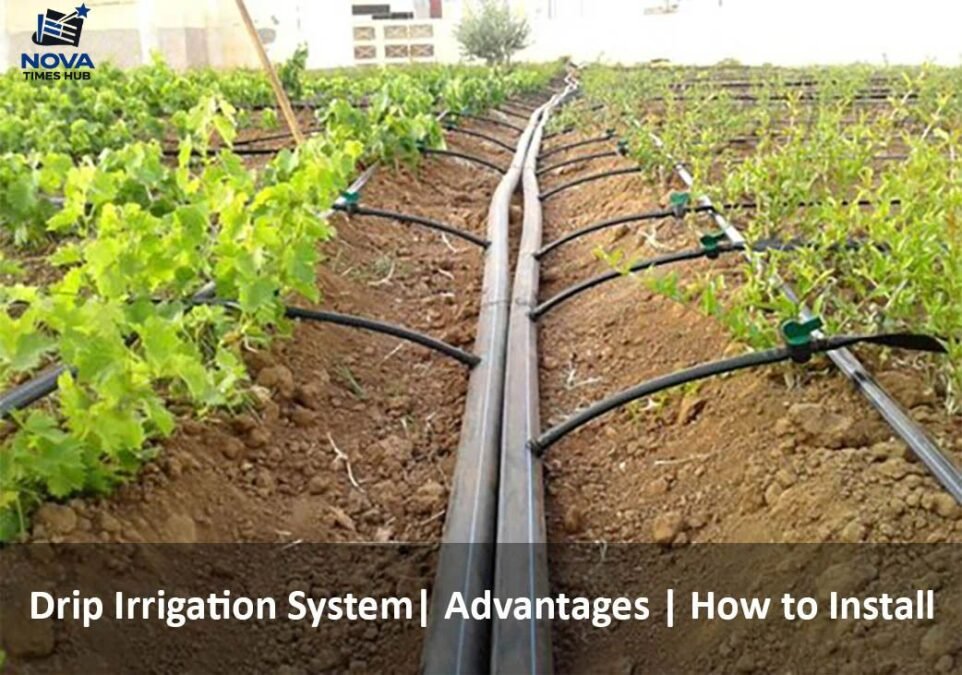
Instead of relying solely on manual care, scripts allow you to control timing, consistency, and efficiency, which are critical factors in plant development.
For a deeper understanding of how automation works in general, you can explore this concept on Wikipedia.
Key Features of Grow a Garden Script
- Automation: Handles repetitive tasks like watering schedules
- Customization: Adjust settings based on plant type and climate
- Consistency: Ensures plants receive care at the right time
Benefits of Using a Grow a Garden Script
- Faster growth cycles
- Reduced human error
- Better use of water and nutrients
- Improved overall yield
Why Use Grow a Garden Script for Faster Harvests
Speed matters in gardening, especially when you’re growing food. A grow a garden script helps eliminate delays caused by inconsistent care.
Reducing Manual Effort
Instead of remembering daily tasks, scripts automate repetitive actions like irrigation and lighting. This ensures your plants are never neglected.
Optimizing Growth Conditions
Plants thrive when conditions are stable. A script can maintain:
- Proper watering intervals
- Ideal light exposure
- Timely fertilization
Increasing Overall Yield
By removing guesswork, you create an environment where plants can grow faster and more efficiently, leading to bigger and healthier harvests.
Step-by-Step Guide to Using Grow a Garden Script
Step 1 – Understand Your Garden Needs
Before using any script, assess your garden:
- What plants are you growing?
- What is your climate like?
- How often do your plants need water and sunlight?
Understanding these basics ensures your script is tailored correctly.
Step 2 – Choose or Create the Right Script
You can either:
- Use a pre-built grow a garden script, or
- Create a custom script based on your needs
Beginners should start with simple, ready-made scripts and adjust them over time.
Step 3 – Install and Set Up the Script
Depending on your setup, this might involve:
- Connecting smart irrigation systems
- Setting timers or controllers
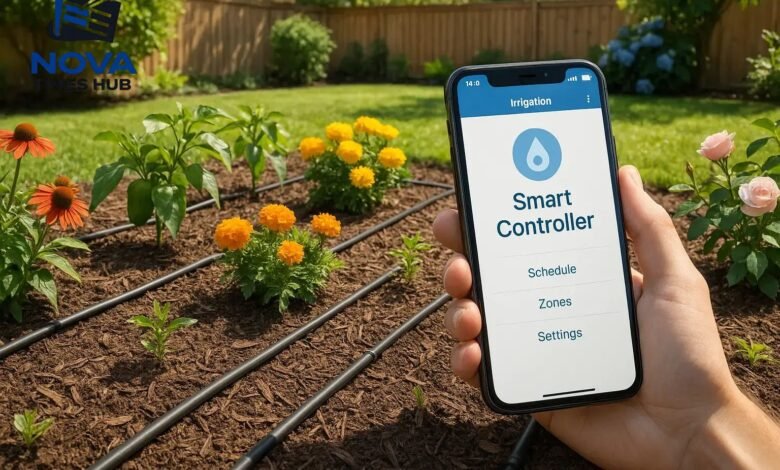
- Using gardening apps or automation tools
Make sure everything is properly configured before running the script.
Step 4 – Configure Settings for Faster Growth
This is where the real optimization happens:
- Set watering schedules based on plant needs
- Adjust lighting duration for maximum photosynthesis
- Plan fertilization cycles
Small tweaks here can significantly improve growth speed.
Step 5 – Test and Monitor Performance
Once your script is running:
- Monitor plant health
- Track growth progress
- Adjust settings if needed
Gardening is dynamic, so your script should evolve with your plants.
Practical Examples of Grow a Garden Script in Action
Example 1 – Automating Daily Watering
Instead of watering manually, a script can deliver the right amount of water at the same time each day. This prevents overwatering or underwatering.
Example 2 – Scheduling Fertilization
A script can remind or automatically trigger fertilization at optimal intervals, ensuring plants receive nutrients when they need them most.
Example 3 – Monitoring Growth Cycles
Advanced setups can track plant growth and adjust conditions accordingly, helping you make data-driven gardening decisions.
Best Practices for Using Grow a Garden Script
To get the best results, follow these guidelines:
- Start simple: Don’t overcomplicate your setup initially
- Update regularly: Adjust scripts as seasons and conditions change
- Combine with manual checks: Automation helps, but observation is still key
- Use reliable tools: Quality equipment ensures accurate execution
Common Mistakes to Avoid
Even the best scripts won’t work if used incorrectly.
- Over-automation: Ignoring plant-specific needs
- Poor setup: Incorrect timing or configuration
- Lack of monitoring: Assuming everything is working perfectly
- Ignoring environment: Weather and soil still matter
Avoiding these mistakes will save time and prevent poor harvests.
Tips to Maximize Harvest Speed and Efficiency
If your goal is faster results, combine scripting with smart gardening practices:
- Use high-quality soil and seeds
- Ensure proper sunlight exposure
- Maintain consistent watering schedules
- Plan your planting season strategically
When combined with a grow a garden script, these practices can significantly accelerate growth.
Solving Common Gardening Challenges with Scripts
Many gardeners struggle with:
- Inconsistent watering
- Forgetting key tasks
- Poor timing of fertilization
A grow a garden script solves these problems by introducing precision and consistency, which are essential for healthy plant development.
Craig Carton wife: who she is and their real story
Frequently Asked Questions (FAQs)
What is a grow a garden script used for?
It automates gardening tasks like watering, lighting, and fertilizing to improve efficiency and growth.
Is a grow a garden script suitable for beginners?
Yes, beginners can start with simple scripts and gradually customize them as they gain experience.
Can it really speed up harvest time?
Yes, by optimizing conditions and eliminating delays, it can significantly improve growth speed.
Do I need technical skills to use a script?
Basic setups require minimal technical knowledge. Advanced scripts may need some learning.
Are there free grow a garden script options available?
Yes, many basic scripts and tools are available for free, especially for simple automation setups.
How do I fix issues with my script?
Start by checking your settings, test each function, and adjust based on plant response.
Conclusion
A grow a garden script is more than just a convenience—it’s a powerful tool for achieving faster, more reliable harvests. By automating key processes and maintaining consistent care, you create the ideal environment for plants to thrive.
Start small, monitor your progress, and refine your setup over time. With the right approach, you’ll not only save time but also enjoy healthier plants and more abundant yields.
