
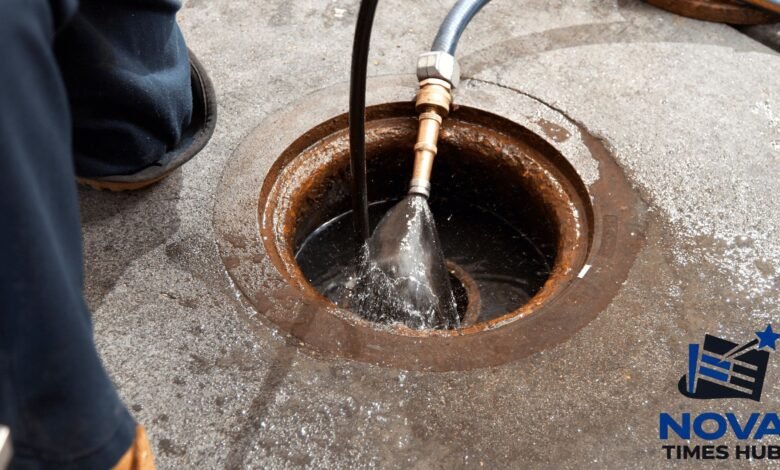
Hydro jetting is one of the most effective ways to clean clogged drains and sewer lines without relying on harsh chemicals or temporary fixes. For homeowners and businesses, blocked pipes can quickly become stressful. A slow drain may seem small at first, but over time it can turn into bad odors, water backups, expensive repairs, and serious plumbing damage.
Traditional drain cleaning methods can help in some cases, but they do not always remove the deeper buildup inside the pipe. That is where hydro jetting stands out. It uses highly pressurized water to break apart grease, sludge, tree roots, mineral deposits, and other debris that can collect inside plumbing lines.
The main reason hydro jetting has become popular is simple: it does more than open a small path through a clog. It cleans the inside walls of the pipe more thoroughly, helping water flow smoothly again. For many plumbing systems, this makes it a smart long-term solution rather than a quick short-term repair.
BIO
| Label | Information |
|---|---|
| Topic | Hydro Jetting |
| Type | Pipe cleaning method |
| Main Purpose | Remove deep pipe blockages |
| Cleaning Method | High-pressure water |
| Common Use | Sewer and drain cleaning |
| Works Against | Grease, roots, sludge |
| Used In | Homes and businesses |
| Chemical-Free | Yes |
| Main Benefit | Thorough pipe cleaning |
| Equipment Used | Jetting hose and nozzle |
| Recommended By | Professional plumbers |
| Best For | Recurring drain clogs |
What Is Hydro Jetting?
Hydro jetting is a professional drain cleaning method that uses a powerful stream of water to clear blockages and wash the inside of pipes. A plumber inserts a special hose with a nozzle into the drain or sewer line. Water is then pushed through the hose at high pressure, allowing it to cut through buildup and flush debris away.
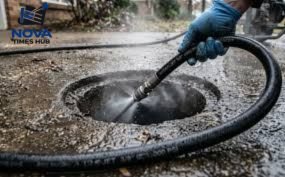
Unlike chemical drain cleaners, hydro jetting does not depend on harsh substances to dissolve clogs. It uses water pressure to remove the material blocking the pipe. This makes it a cleaner option for many homes and businesses.
The process is commonly used for sewer lines, kitchen drains, commercial plumbing systems, and pipes with recurring clogs. It can be especially useful when grease, soap residue, sludge, or tree roots are causing repeated drainage problems.
How Hydro Jetting Works
The hydro jetting process usually begins with an inspection. A professional plumber may use a camera to look inside the pipe and understand the cause of the blockage. This step is important because not every pipe is suitable for high-pressure cleaning, especially if it is old, cracked, or already damaged.
Once the pipe condition is checked, the plumber inserts the hydro jetting hose into the line. The nozzle is designed to spray water in different directions. Some jets push forward to break through the clog, while others spray backward to clean the pipe walls and move debris out of the system.
As the water moves through the pipe, it breaks down grease, dirt, mineral scale, and other buildup. The loosened material is then flushed through the plumbing line. By the end of the service, the pipe is not only open but also much cleaner inside.
Why Hydro Jetting Is Different
Many people compare hydro jetting with drain snaking. A drain snake can be useful for simple clogs, but it often punches a hole through the blockage instead of fully cleaning the pipe. This means leftover buildup can stay behind and cause another clog later.
Hydro jetting works differently because it washes the pipe walls. It can remove layers of grease, sludge, and debris that a snake may leave untouched. This is why hydro jetting is often recommended for recurring clogs or sewer lines that need deeper cleaning.
It is not always the first step for every blockage, but when the problem is serious or keeps coming back, hydro jetting can be a better option.
Common Problems Hydro Jetting Can Fix
Hydro jetting can handle many types of plumbing problems. One of the most common is grease buildup. In kitchens, grease and oil can stick to pipe walls. Over time, food particles and soap residue attach to the grease, making the pipe narrower and slower.
Tree roots are another common issue, especially in older sewer lines. Roots naturally search for water and can enter small cracks in underground pipes. Once inside, they grow and trap waste, causing backups and blockages.
Hydro jetting can also remove sludge, mineral deposits, dirt, hair, and other debris. In commercial spaces like restaurants, it is often used because grease and heavy daily use can clog drains faster than in a normal home.
Benefits of Hydro Jetting
One of the biggest benefits of hydro jetting is its deep cleaning power. Instead of only clearing the center of the clog, it cleans the pipe more completely. This helps restore better water flow and reduces the chance of another blockage forming quickly.
Another benefit is that hydro jetting does not require chemical drain cleaners. Harsh chemicals can sometimes damage pipes, create fumes, or harm the environment. Hydro jetting relies mainly on water, making it a more practical and cleaner choice.
Hydro jetting can also save money over time. If a drain keeps clogging again and again, repeated service calls can become expensive. A deeper cleaning may reduce future problems and help protect the plumbing system from bigger damage.
Is Hydro Jetting Safe?
Hydro jetting is generally safe when it is done by a trained professional. The key is using the right pressure and checking the pipe condition first. Strong water pressure can be very effective, but it must be handled carefully.
Older pipes, cracked pipes, or badly corroded pipes may not be good candidates for hydro jetting without inspection. This is why a camera inspection is often recommended before the service. It helps the plumber decide whether hydro jetting is safe or whether another repair is needed first.
Trying to perform hydro jetting without proper equipment or experience can be risky. Professional plumbers understand how much pressure to use and which nozzle is right for the job.
Signs You May Need Hydro Jetting
There are several signs that your plumbing system may need hydro jetting. Slow drains are one of the most common warnings. If one drain is slow, it may be a local clog. But if several drains are slow at the same time, the main sewer line could be affected.
Bad odors from drains can also point to buildup inside the pipes. Grease, food waste, and organic material can collect and produce unpleasant smells.
Frequent backups are another major sign. If toilets, sinks, or tubs keep backing up even after basic cleaning, there may be a deeper blockage in the line. Gurgling sounds from drains can also suggest trapped air or poor flow inside the plumbing system.
Hydro Jetting for Homes
For homeowners, hydro jetting can be helpful when normal drain cleaning no longer works. It is often used for main sewer line problems, kitchen drain buildup, and repeated clogs.
A home with large trees nearby may also benefit from hydro jetting if roots are entering the sewer line. While hydro jetting can remove roots inside the pipe, it may not permanently fix cracks where roots entered. In that case, pipe repair may also be needed.
Hydro jetting can also be part of preventive maintenance. Instead of waiting for a serious backup, some homeowners schedule cleaning when drains begin slowing down or when a camera inspection shows buildup.
Hydro Jetting for Businesses
Businesses often deal with heavier plumbing use than homes. Restaurants, cafes, hotels, offices, and commercial kitchens can experience frequent drain issues because of grease, food waste, and high water usage.
For restaurants, hydro jetting can be especially useful. Grease buildup can quickly narrow drain lines and cause unpleasant backups. Regular hydro jetting may help keep drains open and reduce emergency plumbing problems.
Commercial properties also benefit because plumbing issues can interrupt business operations. A blocked drain in a restaurant or office building can affect customers, staff, and daily work. Preventive cleaning helps avoid sudden disruptions.
Hydro Jetting vs Chemical Cleaners
Chemical drain cleaners may seem convenient, but they are not always the best choice. Some products can be harsh on pipes, especially when used often. They may also fail to fully remove deeper buildup.
Hydro jetting avoids many of those problems. It does not rely on chemicals to break down a clog. Instead, it uses water pressure to clear and clean the pipe.
That said, hydro jetting is not something to use casually without inspection. It is a professional service, not a simple household product. For serious clogs, it is often safer and more effective than repeatedly pouring chemicals down the drain.
How Often Should Hydro Jetting Be Done?
There is no single schedule that works for every property. For many homes, hydro jetting may only be needed when there are recurring clogs or sewer line issues. Some homes with older plumbing or nearby trees may need it more often.
Commercial properties may need hydro jetting more frequently. Restaurants and food-related businesses often require regular drain maintenance because grease buildup happens faster.
The best schedule depends on pipe condition, property use, clog history, and the type of waste entering the plumbing system. A professional plumber can inspect the line and recommend a suitable maintenance plan.
What to Expect During Service
During a hydro jetting service, the plumber usually starts by checking the drain or sewer line. If needed, a camera inspection is used to locate the blockage and inspect pipe condition.
After that, the hydro jetting equipment is prepared. The hose is inserted into the access point, and water pressure is adjusted based on the situation. The plumber then runs the water jet through the line to break up and flush away debris.
The service time depends on the severity of the clog and the length of the pipe. Simple jobs may be completed fairly quickly, while heavy blockages or commercial systems may take longer.
After the cleaning, the plumber may inspect the line again to confirm that the pipe is flowing properly.
Mistakes to Avoid
One common mistake is ignoring early signs of a plumbing problem. Slow drains, bad smells, and gurgling sounds should not be brushed aside. Small issues can grow into major backups if they are left untreated.
Another mistake is using chemical drain cleaners too often. These products may offer temporary relief, but they do not always solve the real cause of the clog. In some cases, they can make pipe problems worse.
It is also important not to hire unqualified services for hydro jetting. High-pressure water can be powerful, and improper use can damage weak pipes. Choosing an experienced plumber helps reduce risk and improves results.
Tips to Keep Pipes Clean Longer
Good daily habits can help reduce the need for major drain cleaning. In the kitchen, avoid pouring grease, oil, and food scraps down the sink. Even liquid grease can harden inside pipes and create buildup.
In bathrooms, use drain screens to catch hair and soap residue. Hair is one of the most common causes of bathroom drain clogs, especially in showers and tubs.
Regular maintenance also helps. If your home has older pipes or a history of sewer problems, occasional inspections can catch issues before they become expensive repairs.
Is Hydro Jetting Worth It?
For many plumbing problems, hydro jetting is worth considering. It is especially helpful when clogs keep coming back, when grease buildup is heavy, or when a sewer line needs a deeper clean.
It may cost more than basic drain snaking, but it can provide longer-lasting results. Instead of only opening a small path through the blockage, hydro jetting helps clean the full inside surface of the pipe.
The value depends on the condition of your plumbing system. If the pipe is damaged, repair may be needed before or instead of hydro jetting. But when the pipe is in good condition, hydro jetting can be one of the smartest ways to restore flow.
Final Thoughts
Hydro jetting is a powerful and practical method for cleaning pipes, clearing tough clogs, and improving drainage. It works by using high-pressure water to remove grease, sludge, roots, mineral buildup, and other debris from inside plumbing lines.
For homeowners, it can help solve recurring drain problems and prevent sudden backups. For businesses, especially restaurants and commercial kitchens, it can be an important part of regular plumbing maintenance.
The most important point is to have the pipe inspected and the service handled by a trained professional. When done correctly, hydro jetting is a cleaner, deeper, and more effective way to keep pipes flowing smoothly.
How Brandon Leake Inspires Through Poetry and Life Lessons
FAQs About Hydro Jetting
What is hydro jetting used for?
Hydro jetting is used to clean clogged or slow-moving pipes. It removes grease, sludge, tree roots, and debris using high-pressure water.
Is hydro jetting safe for old pipes?
Hydro jetting can be safe for older pipes if they are still in good condition. A professional inspection is usually recommended before the cleaning process starts.
How long does hydro jetting last?
The results can last much longer than traditional drain cleaning methods. The exact time depends on pipe condition and daily usage habits.
Can hydro jetting remove tree roots?
Yes, hydro jetting can break apart smaller tree roots inside sewer lines. Severe root damage may still require pipe repair or replacement.
How do I know if I need hydro jetting?
Slow drains, recurring clogs, sewer odors, and water backups are common signs that your plumbing system may need hydro jetting.
