
Cats have fascinated humans for thousands of years, but few feline behaviors are as comforting and mysterious as purring. That gentle rumbling sound often accompanies moments of affection, relaxation, and companionship. For many cat owners, a purring cat is the ultimate sign of happiness.

However, the truth is far more interesting.
While cats certainly purr when they are content, researchers and veterinarians have discovered that purring serves several purposes. Cats may purr when they feel safe, when they want attention, when they are stressed, and even when they are injured or sick. This unique vocalization is one of the most complex forms of communication in the animal world.
If you have ever wondered why do cats purr, the answer involves a fascinating mix of biology, communication, emotion, and possibly even healing.
BIO
| Label | Information |
|---|---|
| Topic | Why Do Cats Purr |
| Animal | Domestic Cat |
| Behavior Type | Vocal Communication |
| Main Purpose | Communication and Expression |
| Common Meaning | Happiness and Relaxation |
| Other Reasons | Stress, Pain, or Attention |
| Starts At | A Few Days After Birth |
| Used By Kittens | To Bond With Their Mother |
| Human Interaction | Strengthens Cat-Owner Bond |
| Possible Health Benefit | May Support Healing Processes |
| Communication Style | Social and Emotional Signal |
| Key Takeaway | Purring Has Multiple Meanings |
| Best Way to Understand It | Observe Body Language and Context |
What Is Purring?
Purring is a low-frequency vibration produced by cats during both inhalation and exhalation. Unlike meowing, which is primarily directed toward humans, purring appears to serve multiple functions throughout a cat’s life.
Scientists believe the sound is created through a combination of movements involving the larynx, vocal folds, and surrounding muscles. As air passes through the voice box, rhythmic vibrations create the familiar humming sound that cat owners know so well.
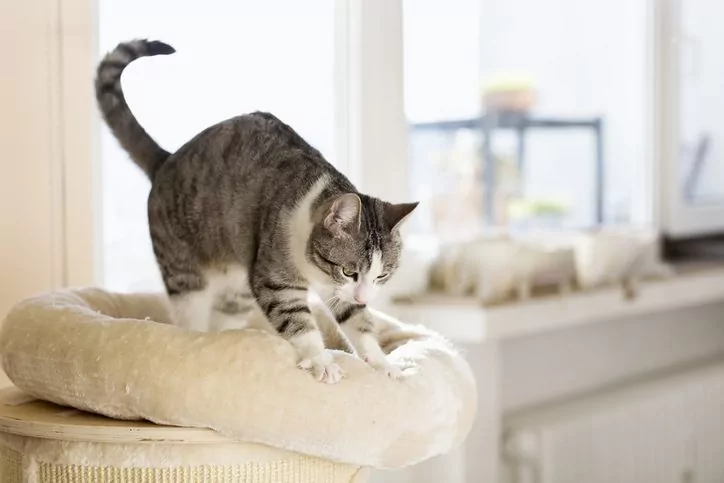
One of the most remarkable aspects of purring is that it begins very early in life. Kittens can start purring when they are only a few days old, making it one of the earliest forms of communication they develop.
More Than Happiness
The most common assumption about purring is that it means a cat is happy. While this is often true, it is only part of the story.
A cat stretched out in a sunny window, curled up on your lap, or enjoying a gentle scratch behind the ears may purr because it feels relaxed and secure. In these situations, purring reflects positive emotions and comfort.
Yet animal behavior experts have observed cats purring in situations that are anything but pleasant. Some cats purr during veterinary visits, after injuries, during illness, or even while experiencing fear.
This has led researchers to believe that purring is a versatile behavior rather than a simple expression of happiness.
Cats Purr When They Feel Safe
One of the most common reasons cats purr is to express comfort and security.
Domestic cats are naturally cautious animals. Even though they have been companions to humans for centuries, they still possess instincts developed through generations of survival. When a cat feels completely safe in its environment, purring often follows.
You may notice your cat purring while:
- Sleeping near you
- Being gently petted
- Resting in a favorite spot
- Cuddling with family members
- Relaxing after a meal
In these moments, the purr acts almost like an audible sign of contentment. The cat is comfortable, relaxed, and free from immediate threats.
Purring as Communication
Cats use purring as a powerful communication tool.
Long before kittens can see clearly or hear properly, they rely on vibrations to interact with their mothers. Newborn kittens purr while nursing, helping create a bond between mother and offspring.
The mother cat also purrs back, creating a reassuring signal that tells the kittens she is nearby and that everything is safe.
As cats grow older, they continue to use purring to communicate. Adult cats may purr to greet trusted humans, strengthen social bonds, or express affection.
In many ways, purring serves as a social bridge between cats and the people they trust.
The Attention-Seeking Purr
Every cat owner knows the feeling of being awakened by a hungry cat in the morning.
Interestingly, researchers have found that cats sometimes produce a special type of purr when they want something. This vocalization combines the soothing qualities of a normal purr with higher-pitched sounds that humans find difficult to ignore.
This “solicitation purr” is often used when cats:
- Want food
- Seek attention
- Request playtime
- Ask to be let outside
- Desire interaction
Many owners respond almost automatically because the sound captures attention so effectively.
This demonstrates just how intelligent cats can be when communicating their needs.
Why Cats Purr When Stressed
One of the most surprising discoveries about purring is that it can occur during stressful situations.
Veterinarians frequently observe cats purring while receiving medical treatment. Cats may also purr when frightened, anxious, or uncomfortable.
At first glance, this seems contradictory. Why would a stressed animal make the same sound it uses when relaxed?
Many experts believe purring may function as a self-soothing mechanism. Similar to how humans may hum, talk to themselves, or engage in calming behaviors during stressful moments, cats may purr to help regulate their emotions.
The rhythmic vibrations could provide a sense of comfort during challenging situations.
This is why understanding a cat’s body language is essential. A purring cat is not always a happy cat.
Purring During Pain and Illness
Another fascinating aspect of feline behavior is that cats often purr when injured or sick.
Many veterinarians report hearing purring from cats recovering from surgery, experiencing illness, or coping with physical discomfort.
This behavior may seem strange because humans generally associate vocal sounds with distress. Cats, however, often behave differently.
In some cases, purring may help reduce anxiety associated with pain. It may also serve as a signal to nearby animals or caregivers.
Because cats are skilled at hiding weakness, owners should never assume that purring automatically means everything is fine.
If purring is accompanied by symptoms such as lethargy, loss of appetite, breathing difficulties, or unusual behavior, a veterinary evaluation is important.
The Science Behind Healing
Perhaps the most intriguing theory about purring involves healing.
Researchers have discovered that the frequencies produced during purring generally fall within a range that has been associated with bone growth, tissue repair, muscle maintenance, and recovery in various scientific studies.
This observation has led some scientists to suggest that purring may offer biological benefits beyond communication.
Cats spend a significant portion of their lives resting and sleeping. Despite their inactive lifestyle, they maintain impressive agility, flexibility, and recovery abilities.
Some researchers believe that purring vibrations may help support the body’s natural maintenance processes.
While this theory remains an active area of research, it represents one of the most fascinating explanations for why purring evolved.
A Natural Stress Reliever
Purring does not only appear to benefit cats.
Many cat owners describe feeling calmer when listening to a cat purr. The steady rhythm can create a sense of relaxation and emotional comfort.
Some studies have suggested that interacting with pets may help lower stress levels and promote emotional well-being. While purring itself is not a medical treatment, it contributes to the strong bond many people share with their feline companions.
The simple act of sitting quietly with a purring cat can create a peaceful moment in an otherwise busy day.
This may help explain why cats have become beloved companions across cultures and generations.
Different Types of Purrs
Not all purrs sound exactly the same.
Experienced cat owners often learn to recognize subtle differences in their pets’ vocalizations.
A relaxed purr is usually soft, steady, and rhythmic. It commonly occurs during petting, cuddling, or resting.
An attention-seeking purr may sound slightly louder or more urgent. It is often accompanied by behaviors such as rubbing against legs, staring, or following owners around the house.
A stress-related purr may occur alongside tense body language, flattened ears, dilated pupils, or attempts to hide.
Understanding these differences helps owners better interpret what their cats may be trying to communicate.
How to Tell Why Your Cat Is Purring
Context is everything when interpreting purring.
Instead of focusing solely on the sound, observe your cat’s overall behavior.
Look for clues such as:
- Body posture
- Ear position
- Tail movement
- Facial expression
- Activity level
- Environmental circumstances
A cat lying comfortably beside you while purring is likely expressing contentment.
A cat purring during a veterinary visit may be experiencing anxiety or attempting to comfort itself.
The surrounding circumstances often reveal the true meaning behind the sound.
Do All Cats Purr?
Most domestic cats purr, but the feline family contains a surprising variety of vocal behaviors.
Several wild cat species, including cheetahs and cougars, can produce purr-like sounds. However, many of the large cats known for roaring, such as lions and tigers, have different vocal structures that limit their ability to produce a true purr in the same way domestic cats do.
This distinction has long fascinated zoologists because it highlights the diversity within the cat family.
Despite these differences, communication remains a central purpose of vocal behavior across many feline species.
Common Myths About Cat Purring
Myth: Cats Only Purr When Happy
This is perhaps the most widespread misconception. Cats also purr when stressed, frightened, injured, or seeking attention.
Myth: A Purring Cat Is Always Healthy
Purring should never be viewed as proof that a cat is healthy. Some sick or injured cats continue to purr throughout recovery.
Myth: Every Cat Purrs the Same Way
Just like human voices, purrs vary from cat to cat. Some cats produce barely audible vibrations, while others generate loud purrs that can be heard across a room.
Myth: Purring Is Fully Understood by Science
Although researchers have learned a great deal about purring, many questions remain unanswered. The behavior continues to be one of the most intriguing mysteries in feline biology.
Why Understanding Purring Matters
Learning why cats purr helps owners build stronger relationships with their pets.
Rather than viewing purring as a simple sign of happiness, it is helpful to recognize it as a complex form of communication. Cats use purring to express comfort, seek attention, strengthen social bonds, cope with stress, and possibly support healing.
By paying attention to body language and context, owners can better understand what their cats are experiencing.
This deeper understanding leads to improved care, stronger trust, and a more meaningful connection between humans and their feline companions.
Conclusion
So, why do cats purr?
The answer is far more fascinating than most people realize. Cats purr when they are content, but they also purr when communicating, seeking attention, coping with stress, and recovering from illness or injury. Some scientists even believe purring may contribute to healing through its unique vibration frequencies.
Although many aspects of purring remain under investigation, one thing is clear: this gentle sound is one of nature’s most remarkable forms of communication.
The next time your cat curls up beside you and begins to purr, remember that you are hearing more than a sign of happiness. You are listening to a behavior shaped by evolution, emotion, communication, and perhaps even a little bit of mystery.
Jamal Roberts American Idol Journey: From Auditions to Fame
Frequently Asked Questions
Why do cats purr when you pet them?
Most cats purr when being petted because they feel relaxed, safe, and comfortable. It is one of the ways they show trust and enjoyment during positive interactions with their owners.
Why do cats purr when they sleep?
Cats often purr while resting or sleeping because they are calm and content. In some cases, purring may simply continue as they transition into a deeply relaxed state.
Do cats purr when they are sick?
Yes, cats can purr when they are sick or injured. Experts believe purring may help cats comfort themselves during stressful situations or physical discomfort.
Why is my cat purring so loudly?
A loud purr is usually normal and varies from cat to cat. Some cats naturally produce stronger vibrations, while others use louder purring when seeking attention, food, or affection.
Can cats purr when they are stressed?
Yes, cats may purr when they feel anxious, frightened, or stressed. This is why it is important to observe their body language and overall behavior rather than relying on purring alone.
