
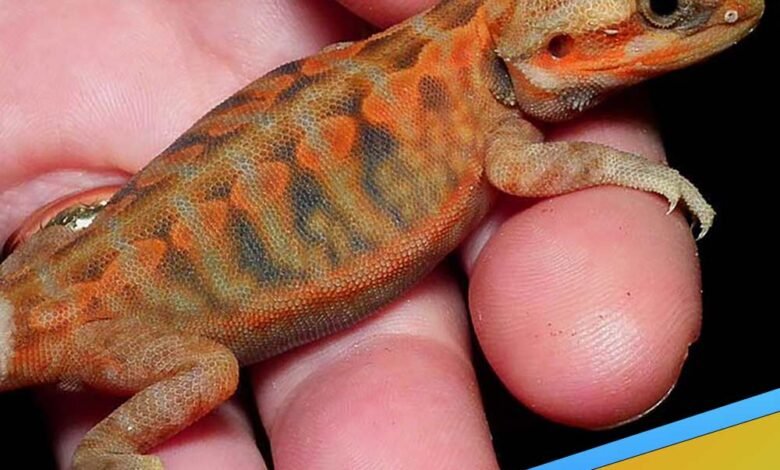
Bearded dragons are among the most popular reptile pets in the world. Known for their calm temperament, unique appearance, and interactive personalities, these fascinating lizards have earned a place in many homes. Before bringing one home, however, many people ask the same important question: how long do bearded dragons live?
The answer is longer than many first-time owners expect. A bearded dragon is not a short-term pet. With proper care, these reptiles can remain a part of your family for well over a decade. Understanding their lifespan and the factors that influence it can help you provide the best possible care throughout their lives.
In this complete guide, you’ll learn how long bearded dragons live in captivity and in the wild, what affects their longevity, common health concerns, and practical steps you can take to help your pet enjoy a long and healthy life.
BIO
| Label | Information |
|---|---|
| Common Name | Bearded Dragon |
| Scientific Name | Pogona vitticeps |
| Animal Type | Reptile |
| Native Region | Australia |
| Average Lifespan | 8–15 years |
| Wild Lifespan | 5–8 years |
| Diet Type | Omnivore |
| Adult Size | 18–24 inches |
| Key Lifespan Factor | Proper care and nutrition |
| UVB Lighting Needed | Yes, daily |
| Ideal Habitat | Warm, spacious enclosure |
| Common Health Issue | Metabolic bone disease |
| Best For | Beginner to experienced reptile owners |
How Long Do Bearded Dragons Live?
The average bearded dragon lifespan depends largely on its environment and level of care.
In captivity, most healthy bearded dragons live between 8 and 15 years. Many pet dragons reach 10 years of age, while some exceptional individuals have lived beyond 15 years when provided with excellent care.
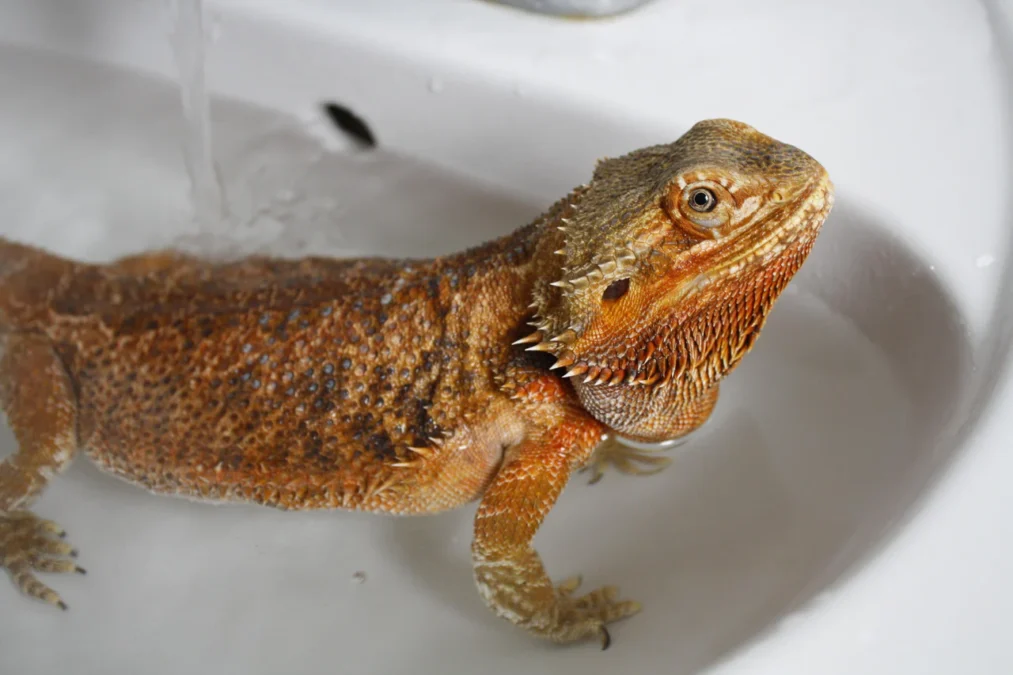
Wild bearded dragons generally have much shorter lifespans. Most survive between 5 and 8 years because they face predators, harsh environmental conditions, food shortages, injuries, and diseases without access to veterinary treatment.
This difference highlights an important point: the quality of care plays a major role in determining how long a bearded dragon lives.
Captive vs. Wild Lifespan
A pet bearded dragon lives in a controlled environment where food, water, heat, and shelter are consistently available. This significantly reduces many of the risks that wild dragons face every day.
Wild bearded dragons must constantly search for food while avoiding predators such as birds of prey, snakes, and larger reptiles. Extreme temperatures, droughts, and injuries can also shorten their lives.
Captive dragons benefit from:
- Consistent nutrition
- Proper heating and lighting
- Veterinary care
- Protection from predators
- Reduced stress from environmental threats
Because of these advantages, pet bearded dragons often live several years longer than their wild counterparts.
Why Some Bearded Dragons Live Longer Than Others
Not every bearded dragon will reach the same age. Several factors influence lifespan, and some are more important than others.
Genetics
Genetics play a significant role in overall health and longevity. Bearded dragons from responsible breeders often have fewer inherited health problems than those produced through poor breeding practices.
Some genetic issues can lead to deformities, weakened immune systems, or chronic health conditions that may reduce lifespan.
While owners cannot control genetics, choosing a healthy dragon from a reputable breeder can provide a better foundation for long-term health.
Diet
Nutrition is one of the most important factors affecting lifespan.
A healthy bearded dragon requires a varied diet that changes as it grows. Young dragons need more protein from insects to support rapid growth, while adults require a larger proportion of vegetables and leafy greens.
A balanced diet typically includes:
- Dubia roaches
- Crickets
- Black soldier fly larvae
- Collard greens
- Mustard greens
- Dandelion greens
- Squash
- Bell peppers
Poor nutrition can contribute to obesity, vitamin deficiencies, weakened immunity, and metabolic disorders that shorten life expectancy.
UVB Lighting
One of the most common causes of health problems in captive bearded dragons is inadequate UVB lighting.
UVB light helps bearded dragons produce vitamin D3, which allows them to absorb calcium properly. Without adequate UVB exposure, dragons can develop serious skeletal problems and metabolic bone disease.
Many health experts consider proper UVB lighting one of the most important aspects of bearded dragon husbandry.
Replacing UVB bulbs according to manufacturer recommendations and ensuring proper placement within the enclosure can make a significant difference in long-term health.
Temperature
Bearded dragons rely on external heat sources to regulate their body temperature.
Their enclosure should provide a temperature gradient that allows them to move between warmer and cooler areas as needed.
Improper temperatures can affect:
- Digestion
- Immune function
- Appetite
- Activity levels
When temperatures remain too low for extended periods, health issues often follow.
Veterinary Care
Routine veterinary visits can identify problems before they become serious.
Many reptile illnesses develop slowly and may not show obvious symptoms during the early stages. Annual health examinations help detect issues such as parasites, nutritional deficiencies, and infections.
Early intervention often improves outcomes and can extend a dragon’s lifespan.
Life Stages of a Bearded Dragon
Understanding the different life stages can help owners provide appropriate care throughout a dragon’s life.
Baby Stage
Baby bearded dragons are generally less than six months old.
During this period, growth occurs rapidly. Young dragons require frequent feedings and high-protein diets to support healthy development.
Because they are still growing, babies are more vulnerable to nutritional deficiencies and husbandry mistakes.
Juvenile Stage
Juveniles are typically between six months and one year old.
Growth continues at a steady pace, and dietary needs begin to shift gradually toward increased vegetable consumption.
This stage is important for establishing healthy feeding habits and maintaining proper bone development.
Adult Stage
Most bearded dragons reach adulthood between one and two years of age.
Adults require balanced nutrition, regular exercise, and proper environmental conditions to remain healthy.
Many dragons spend the majority of their lives in this stage.
Senior Stage
Senior dragons are usually around eight years old or older.
As dragons age, they may become less active and develop age-related conditions such as arthritis or reduced mobility.
Providing easier access to basking areas and monitoring their health closely becomes increasingly important during their senior years.
Common Health Problems That Affect Lifespan
Several health conditions can shorten a bearded dragon‘s life if left untreated.
Metabolic Bone Disease
Metabolic bone disease, often called MBD, is one of the most common and serious conditions seen in captive reptiles.
It is usually caused by:
- Inadequate UVB lighting
- Calcium deficiency
- Poor diet
Symptoms may include:
- Soft or swollen jaws
- Tremors
- Weak limbs
- Difficulty walking
Prevention is far easier than treatment, making proper lighting and nutrition essential.
Impaction
Impaction occurs when a blockage develops in the digestive tract.
Common causes include:
- Ingesting loose substrate
- Eating prey that is too large
- Dehydration
Symptoms often include lethargy, loss of appetite, and difficulty passing stool.
Severe cases can become life-threatening if not addressed promptly.
Respiratory Infections
Respiratory infections are often linked to incorrect temperatures or excessive humidity.
Affected dragons may display:
- Wheezing
- Open-mouth breathing
- Mucus around the nose
- Reduced appetite
Prompt veterinary care is important to prevent complications.
Parasites
Internal parasites can weaken a bearded dragon over time.
While some parasites are common and manageable, heavy infestations may lead to:
- Weight loss
- Digestive problems
- Reduced immune function
Regular fecal examinations can help identify issues before they become severe.
Signs of a Healthy Bearded Dragon
A healthy dragon is generally more likely to enjoy a longer lifespan.
Some positive signs include:
- Bright, alert eyes
- Healthy appetite
- Strong body condition
- Smooth shedding
- Active behavior
- Regular basking habits
Owners should become familiar with their dragon’s normal behavior so they can quickly recognize changes that may indicate illness.
How to Help Your Bearded Dragon Live Longer
While genetics play a role, daily care has the greatest impact on longevity.
Provide Proper Lighting
Invest in high-quality UVB lighting and replace bulbs according to schedule.
Lighting should mimic natural sunlight as closely as possible.
Feed a Balanced Diet
Offer a variety of nutritious foods rather than relying on a limited selection.
Diversity helps ensure your dragon receives a wide range of nutrients.
Maintain Correct Temperatures
Use reliable thermometers to monitor enclosure temperatures.
Proper heating supports digestion, immunity, and overall health.
Keep the Habitat Clean
A clean enclosure reduces the risk of bacterial infections and parasite problems.
Remove waste regularly and disinfect the habitat on a routine schedule.
Encourage Exercise
Physical activity supports muscle health and helps prevent obesity.
Allowing supervised exploration outside the enclosure can provide valuable enrichment.
Reduce Stress
Stress can negatively affect immune function and overall health.
Avoid overcrowding, excessive handling, and sudden environmental changes.
Schedule Regular Vet Visits
Preventive healthcare is often overlooked in reptiles.
Routine examinations help identify potential issues before they become serious.
Can a Bearded Dragon Live More Than 15 Years?
Yes, some bearded dragons exceed the average lifespan.
Although 8 to 15 years is the typical range, a small number of dragons have reached 18 years or more.
These exceptional cases are usually associated with:
- Excellent husbandry
- Proper nutrition
- Consistent veterinary care
- Strong genetics
While no owner can guarantee a specific lifespan, providing optimal care greatly increases the chances of a longer life.
Common Myths About Bearded Dragon Lifespan
Several misconceptions continue to circulate among new owners.
One common myth is that bearded dragons only live five or six years. While this may occur in poorly cared-for animals, healthy captive dragons often live much longer.
Another misconception is that reptiles require little maintenance. In reality, bearded dragons have specific environmental and dietary needs that must be met consistently.
Finally, some owners assume that all dragons stop growing and thriving after a few years. Many remain active, curious, and healthy well into their senior years.
Final Thoughts
So, how long do bearded dragons live? Most pet bearded dragons live between 8 and 15 years, while wild dragons generally survive only 5 to 8 years. Their lifespan depends heavily on the quality of care they receive throughout their lives.
Proper nutrition, UVB lighting, temperature management, veterinary care, and a clean habitat all contribute to long-term health. Small daily decisions can make a significant difference over the course of a dragon’s life.
For prospective owners, a bearded dragon is a long-term commitment. For those willing to provide the care these remarkable reptiles need, the reward is many years of companionship with one of the most engaging reptiles available as a pet.
Why Do Cats Purr? The Surprising Reasons Behind the Sound
Frequently Asked Questions
How long do bearded dragons live as pets?
Most pet bearded dragons live between 8 and 15 years when provided with proper nutrition, UVB lighting, and regular veterinary care. Some can live even longer under excellent conditions.
Can a bearded dragon live for 20 years?
While uncommon, a few bearded dragons have been reported to live close to or beyond 18 years. Genetics, diet, habitat quality, and healthcare all influence their lifespan.
Do bearded dragons live longer in captivity or in the wild?
Bearded dragons generally live much longer in captivity. Wild dragons face predators, food shortages, harsh weather, and diseases that often shorten their lifespan.
What is the biggest factor affecting a bearded dragon’s lifespan?
Proper husbandry is the most important factor. Correct UVB lighting, a balanced diet, suitable temperatures, and regular health checks significantly improve longevity.
How can I help my bearded dragon live longer?
Provide a nutritious diet, maintain proper enclosure temperatures, use quality UVB lighting, keep the habitat clean, and schedule routine veterinary visits to support long-term health.
