Introduction
Joe Wilkinson wife is a topic many fans search for because the British comedian has always kept his personal life quiet. Joe is known for his unusual humor, awkward comic timing, and memorable appearances on popular television shows, but away from the screen, he lives a far more private and grounded life.


Unlike many public figures, Joe Wilkinson does not use his marriage for attention. His relationship with his wife, Petra Exton, has remained mostly away from the spotlight. That privacy has made people even more curious about who she is, how their relationship works, and why the couple chooses such a low-key lifestyle.
This article takes a closer look at Joe Wilkinson’s wife, their private life, his career, and the respectful way they have handled public interest.
BIO
| Label | Information |
|---|---|
| Full Name | Joe Wilkinson |
| Known For | Comedian, actor, and writer |
| Date of Birth | 2 May 1975 |
| Birthplace | Bromley, London, England |
| Nationality | British |
| Profession | Comedy and television entertainment |
| Spouse | Petra Exton |
| Marriage Year | 2015 |
| Residence | Brighton, England |
| Famous Shows | 8 Out of 10 Cats Does Countdown, Taskmaster |
| Comedy Style | Dry, awkward, and surreal humor |
| Wife’s Background | Creative and business-related work |
| Public Image | Private, down-to-earth, and respected comedian |
Who Is Joe Wilkinson?
Joe Wilkinson is an English comedian, actor, and writer. He was born on 2 May 1975 in Bromley, London, and grew up in Kent. Before becoming a well-known face on television, he worked in graphic design and later moved into comedy.
His comedy style is often described as awkward, surreal, dry, and unpredictable. He does not rely on polished celebrity charm. Instead, his appeal comes from his odd delivery, strange stories, and the feeling that he is always saying something unexpected.

Joe became widely recognized through shows such as 8 Out of 10 Cats Does Countdown, Taskmaster, After Life, Him & Her, and The Cockfields. His work has made him a familiar name in British comedy, but he has never built his image around fame or glamour.
That is one reason fans are interested in his personal life. Joe seems like someone who enjoys comedy but does not chase the celebrity lifestyle.
Joe Wilkinson Wife
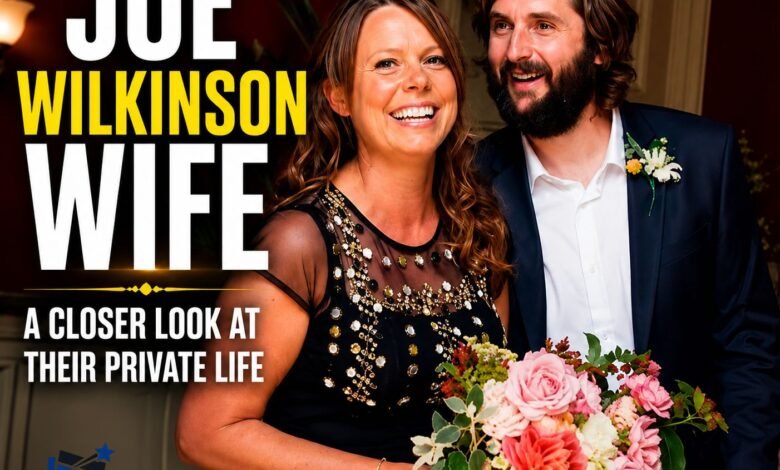
Joe Wilkinson’s wife is Petra Exton. She is known to the public mainly because of her connection to Joe, but she has her own creative and professional background. Petra has been linked with areas such as photography, creative work, management, and production.
The couple reportedly married in 2015 and have built a private life together in Brighton. While Joe appears regularly on television and podcasts, Petra keeps a much lower public profile.
This balance seems to work well for them. Joe brings his odd and funny personality to screens, while Petra appears to support a quieter life behind the scenes. Their relationship is not presented as a celebrity brand, and that makes it feel more genuine to many fans.
Who Is Petra Exton?
Petra Exton is not the type of celebrity partner who constantly appears in interviews or social media headlines. She has kept her identity mostly private, even though she is married to a recognizable comedian.
Her background appears to be connected with creative industries. She has been associated with photography, production, and professional support roles. Some public records also connect her with Joe Wilkinson’s professional company, showing that she has had a role in the business side of his work.
What makes Petra interesting is not just her connection to Joe, but the way she maintains her own space. She does not appear to seek fame from the marriage. Instead, she seems to prefer a calm and private lifestyle.
That privacy should be respected. Public curiosity is natural, but there is a clear difference between learning basic facts and invading someone’s personal life.
Their Marriage
Joe Wilkinson and Petra Exton are reported to have married in July 2015. Their wedding was private, which matches the way they have handled their relationship over the years.
They do not often appear together in the media, and Joe does not regularly share details about his marriage in a dramatic way. This has helped them keep their relationship away from unnecessary public pressure.
Many celebrity relationships become constant talking points because every detail is shared online. Joe and Petra have taken the opposite approach. They have shown that a public career does not have to mean a public marriage.
Their relationship feels steady because it is not built for attention. It is based on privacy, normal life, and personal boundaries.
Life in Brighton
Joe Wilkinson and his wife are known to live in Brighton, a city often associated with creativity, comedy, and the arts. Brighton suits Joe’s image well because it has a relaxed, independent, and artistic atmosphere.
Joe has spoken in interviews about living a fairly ordinary life away from television. He has even joked about his life being boring, but that kind of honesty is part of his charm.
For someone whose comedy can be strange and chaotic, his private life seems surprisingly grounded. This contrast makes him more relatable. On screen, he may play odd characters or deliver bizarre jokes, but at home he appears to value peace and routine.
Petra’s private nature also fits this lifestyle. Together, they seem to have chosen a life that is comfortable, calm, and far from constant public display.
Why They Stay Private
The interest in Joe Wilkinson wife is understandable because fans often want to know more about the people behind famous personalities. But Joe and Petra’s relationship shows the value of privacy.
There are several reasons why public figures keep their relationships quiet. Privacy protects the marriage from gossip. It helps couples avoid pressure from fans and media. It also allows family life to remain separate from professional life.
Joe’s career is built around performance, but his marriage is not a performance. That difference matters. He may joke about himself on panel shows or podcasts, but he does not appear to use his wife as part of his public image.
This is one of the reasons people admire their relationship. It feels real because it is not overexposed.
Joe Wilkinson’s Comedy Career
Joe Wilkinson began his comedy career later than some performers. He started stand-up in his late twenties after working as a graphic designer. His move into comedy proved successful because his style was different from many traditional comedians.
He won the Hackney Empire New Act of the Year in 2006, which helped bring attention to his talent. From there, he appeared on television and became known for his awkward, deadpan, and unusual humor.
His performances on 8 Out of 10 Cats Does Countdown made him especially popular. His role as Rachel Riley’s assistant became a memorable part of the show. His unpredictable appearances gave audiences something different from standard panel show comedy.
He also appeared in Taskmaster, where his strange thinking and dry humor made him a standout contestant. Later, he reached wider audiences through shows such as After Life, where he played the postman known as Pat.
Petra’s Support Behind the Scenes
While Petra Exton is not a regular public figure, she appears to have played a supportive role in Joe’s life and career. Public records and media reports suggest she has been connected with the professional side of his work.
This kind of support can be important in entertainment. A comedian’s career often involves touring, filming, writing, recording, meetings, and public appearances. Having someone trusted nearby can help create stability.
However, it is important not to overstate what is not publicly confirmed. Petra’s exact day-to-day role in Joe’s career is not something the couple has widely discussed. What is clear is that she has remained part of his life while choosing not to become a public personality herself.
That quiet support is often overlooked, but it can be deeply valuable.
A Grounded Relationship
One reason people connect with Joe Wilkinson and his wife is that their marriage appears grounded. They do not seem interested in creating a polished public image.
Joe’s comedy often works because he seems ordinary and strange at the same time. He does not present himself as glamorous. He often leans into awkwardness and everyday discomfort. That same grounded personality seems to carry into his personal life.
Petra’s privacy adds to this impression. Their relationship does not feel like a publicity tool. It feels like a real marriage between two people who value their own space.
In a world where many public figures share every detail online, this quiet approach feels refreshing.
Do They Have Children?
Public information suggests that Joe Wilkinson has an adult stepson. However, Joe and Petra do not share much about their family life in public.
This is another area where privacy matters. Children and family members of public figures should not be pulled into attention unless they choose to be. Joe appears careful about keeping that part of life protected.
For blog readers, it is better to focus on confirmed and respectful information. The most important point is that Joe’s family life is private, and he seems to prefer keeping it that way.
Public Curiosity
Searches for Joe Wilkinson wife often increase when Joe appears on major television shows. When people see him on screen, they naturally become curious about his real life.
This happens with many comedians. Fans want to know whether the person behind the jokes is the same in private. With Joe, the curiosity is stronger because his comedy style is so unusual. People wonder what his home life is like and who he shares it with.
Still, public curiosity should be balanced with respect. Petra Exton is not a celebrity in the same way Joe is. She should not be treated as public property simply because she is married to someone famous.
A good article about her should share available facts without making unsupported claims.
Rumors and Facts
Because Joe Wilkinson keeps his marriage private, online speculation can easily spread. Some websites may repeat details without checking them properly. That is why it is important to separate facts from assumptions.
What is publicly known is that Joe Wilkinson is married to Petra Exton, they are connected to Brighton, and their relationship is private. Reports also state that they married in 2015.
What is not fair is to invent personal details, create drama, or suggest problems without evidence. Joe and Petra have not built their marriage around media attention, so any article about them should be careful and respectful.
Readers appreciate honest writing. If something is not publicly confirmed, it should not be presented as fact.
Why Fans Admire Them
Fans admire Joe Wilkinson and his wife because their relationship feels simple and sincere. They do not appear to chase attention. They do not turn private moments into public content. They allow Joe’s work to speak for itself.
This approach gives their marriage a quiet strength. It suggests confidence, trust, and clear boundaries.
Many readers find this kind of relationship more interesting than a heavily publicized celebrity romance. It feels closer to real life. Not every successful relationship needs constant display. Sometimes, the strongest partnerships are the ones people know the least about.
Joe Wilkinson’s Public Image
Joe Wilkinson’s public image is unusual in the best way. He is funny because he does not seem desperate to impress. His jokes often feel awkward, strange, and oddly honest.
That same quality helps explain why people are drawn to his private life. Fans sense that Joe is not pretending to be someone he is not. He comes across as humble, odd, and very human.
His marriage to Petra fits that image. It is not loud or showy. It is private, steady, and separate from the entertainment machine.
This makes his personal life feel more authentic, even though only limited details are public.
Final Thoughts
The story of Joe Wilkinson wife is not about scandal, drama, or celebrity glamour. It is about a comedian who has built a successful career while keeping his marriage private.
Petra Exton is known as Joe Wilkinson’s wife, but she is also a private person with her own creative background and life away from the spotlight. Their relationship stands out because it is calm, protected, and not used for public attention.
Joe Wilkinson may be unpredictable on screen, but his private life appears grounded and steady. That contrast is part of what makes him so interesting to fans.
In the end, the most respectful way to discuss Joe Wilkinson and his wife is to focus on what is known, avoid speculation, and appreciate the quiet way they have handled life in the public eye.
Olivia Tiedemann: The Inspiring Story Behind Her Success
FAQs
Who is Joe Wilkinson’s wife?
Joe Wilkinson’s wife is Petra Exton. She is known for maintaining a private lifestyle and staying largely out of the public spotlight despite being married to a well-known comedian.
When did Joe Wilkinson marry Petra Exton?
Joe Wilkinson and Petra Exton reportedly married in 2015. The couple chose to keep their wedding and relationship details mostly private.
What does Petra Exton do for a living?
Petra Exton has been associated with creative and business-related work, including photography and professional support roles connected to creative industries.
Do Joe Wilkinson and his wife live in Brighton?
Yes, Joe Wilkinson and Petra Exton are believed to live in Brighton, a city known for its vibrant arts and comedy scene.
Why is so little known about Joe Wilkinson’s wife?
The couple values privacy and prefers to keep their personal life away from media attention. This approach has helped them maintain a low-profile relationship.