

Introduction
Sorrento Italy is one of those places that feels beautiful before you even start exploring it. Set high above the Bay of Naples, this coastal town offers sea views, lemon gardens, old streets, relaxed cafés, and easy access to some of southern Italy’s most famous places.

For many travelers, Sorrento is not only a destination but also a perfect base. From here, you can visit Capri, Pompeii, Mount Vesuvius, Positano, Amalfi, and Ravello without changing hotels every night. That makes it especially useful for first-time visitors who want comfort, scenery, and variety in one trip.
What makes Sorrento special is its balance. It has the charm of an old Italian town, the energy of a popular holiday spot, and the peaceful feeling of the sea. Whether you love history, food, beaches, shopping, or day trips, Sorrento gives you many reasons to stay longer.
BIO
| Label | Information |
|---|---|
| Destination Name | Sorrento, Italy |
| Location | Campania Region, Southern Italy |
| Type | Coastal Town |
| Famous For | Sea views and lemon groves |
| Nearby Attractions | Capri, Pompeii, Amalfi Coast |
| Best Time to Visit | April to October |
| Main Square | Piazza Tasso |
| Popular Beach Area | Marina Grande |
| Local Specialty | Gnocchi alla Sorrentina |
| Famous Drink | Limoncello |
| Transportation | Train, ferry, bus, taxi |
| Ideal Trip Length | 3–5 Days |
| Travel Style | Culture, food, and sightseeing |
Where Is Sorrento Italy?
Sorrento is located in southern Italy, in the Campania region. It sits on the Sorrentine Peninsula, overlooking the Bay of Naples. The town faces the sea, with views toward Naples, Mount Vesuvius, and nearby islands.
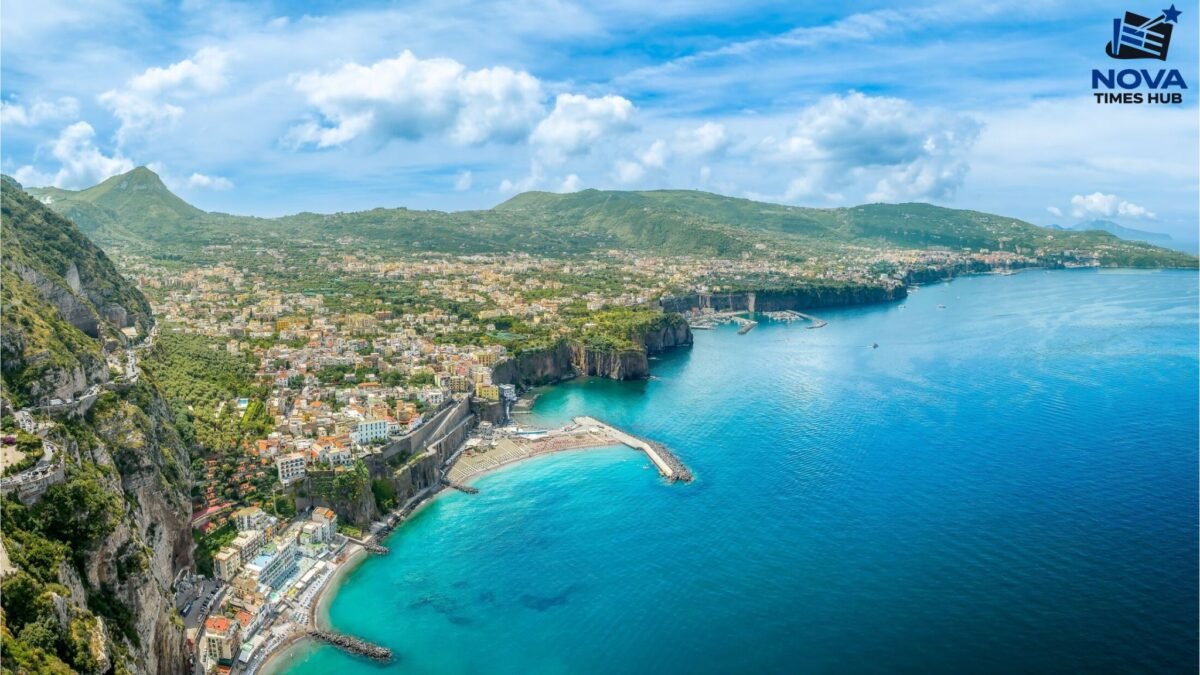
Its location is one of its biggest strengths. Naples is the main arrival point for many visitors, while Pompeii, Capri, and the Amalfi Coast are all close enough for day trips. This makes Sorrento Italy a smart choice for travelers who want to see several famous places without feeling rushed.
The town is built above cliffs, so many viewpoints look straight out over the water. This setting gives Sorrento its postcard beauty. Even a simple walk through town can turn into a memorable moment when the sea suddenly appears between buildings.
Why Visit Sorrento?
Sorrento is famous for its coastal views, historic center, lemon products, handmade crafts, and relaxed Mediterranean lifestyle. It is polished enough for tourism but still keeps a warm local character.
The town is easy to enjoy on foot. Streets are filled with shops, restaurants, gelato spots, churches, and small squares. You can spend the morning exploring narrow lanes, enjoy lunch with fresh seafood, and end the day watching the sunset from a sea-view terrace.
Another reason people love Sorrento Italy is its travel convenience. Instead of staying deep on the Amalfi Coast, where roads can be narrow and crowded, many visitors choose Sorrento because transport connections are easier. Ferries, trains, buses, and guided tours are widely available.
Best Time to Visit
The best time to visit Sorrento depends on your travel style. Spring and autumn are often the most comfortable seasons. From April to June, the weather is pleasant, flowers are in bloom, and the town feels lively without the strongest summer crowds.
September and October are also excellent months. The sea is still inviting, restaurants and hotels remain active, and the weather is usually comfortable for walking. These months are ideal for travelers who want a balance of good weather and a calmer atmosphere.
July and August are the busiest months. The town feels bright, warm, and full of energy, but prices can be higher and popular places can become crowded. If you visit in summer, book accommodation early and plan major sightseeing in the morning.
Winter is quieter. Some seasonal businesses may close, but the peaceful streets and local rhythm can be appealing. It is a good time for travelers who prefer slow exploration rather than beach-focused holidays.
How to Get There
Most travelers reach Sorrento through Naples. From Naples, you can take the Circumvesuviana train, which connects Naples with Sorrento and also stops near Pompeii. It is a budget-friendly option, though it can be busy during peak travel times.
Another option is the Campania Express, a seasonal tourist train that is more comfortable and designed for visitors. Private transfers are also available from Naples airport or city center, and they are useful if you are carrying luggage or traveling with family.
Ferries operate between Naples and Sorrento during much of the year, depending on weather and season. Arriving by sea is more scenic and gives you a beautiful first impression of the coastline.
Once in town, walking is the best way to explore the center. For nearby places, local buses, ferries, trains, taxis, and organized tours can help you move around.
Piazza Tasso
Piazza Tasso is the main square of Sorrento and a natural starting point for your visit. It is busy, central, and full of movement. Cafés, restaurants, shops, and hotels surround the square, making it a useful meeting place.
The square is named after Torquato Tasso, the famous Italian poet born in Sorrento. Today, it feels more like the social heart of town. Locals pass through, visitors stop for coffee, and street life continues from morning until late evening.
From Piazza Tasso, you can walk into the historic center, continue toward the waterfront, or simply sit and watch the town move around you. It is not the quietest place in Sorrento, but it gives you a strong sense of arrival.
Historic Center
The historic center of Sorrento Italy is one of the town’s most enjoyable areas. Its narrow lanes are filled with small shops, restaurants, churches, and traditional buildings. This is where you can slow down and let the town reveal itself naturally.
Via San Cesareo is one of the most popular streets in the old center. It is known for souvenir shops, local products, ceramics, leather goods, and limoncello bottles displayed in bright colors. Even if you do not plan to buy much, it is a lively place to explore.
The historic center is also a good place to notice Sorrento’s craftsmanship. Wood inlay, known as intarsia, has a long tradition here. You may find decorative boxes, furniture pieces, and handmade items that reflect this local skill.
Marina Grande
Marina Grande is one of the most charming places in Sorrento. Despite its name, it feels smaller and more traditional than the main town center. This old fishing village has colorful boats, waterfront restaurants, and a relaxed local atmosphere.
It is a lovely place for lunch or dinner, especially if you enjoy seafood. Many restaurants here serve fresh fish, pasta, and simple dishes with sea views. The setting feels more intimate than the busy central streets.
Walking down to Marina Grande is part of the experience. The route takes you away from the shopping streets and into a softer, more coastal side of Sorrento. It is also a beautiful spot for photos, especially in the golden light of late afternoon.
Marina Piccola
Marina Piccola is the main ferry port in Sorrento. This is where many boats leave for Capri, Naples, and other coastal destinations. It is more practical than romantic, but it is still worth knowing because it plays a key role in your travel plans.
The port sits below the town, so you can reach it by walking, taking a lift, or using transport depending on your location. If you plan a day trip to Capri, arrive early, especially during busy months.
Even if you are not taking a ferry, the area offers views back toward the cliffs and town. It reminds visitors how dramatically Sorrento is built above the sea.
Villa Comunale
Villa Comunale is one of the best viewpoints in Sorrento. This public park offers wide views over the Bay of Naples, Mount Vesuvius, and the coastline. It is a peaceful place to pause between sightseeing stops.
The park is especially beautiful around sunset. The light softens over the water, boats move across the bay, and the town begins to feel calmer. For many visitors, this becomes one of their favorite simple moments in Sorrento Italy.
Near the park, you can also find the Cloister of San Francesco, another important stop. Together, these places make a pleasant and easy walking route.
Cloister of San Francesco
The Cloister of San Francesco is one of Sorrento’s most graceful historic places. It is known for its quiet courtyard, arches, and peaceful atmosphere. The architecture reflects different periods, giving the space a layered and timeless feeling.
Many visitors come here for photos, but it is also worth taking a few quiet minutes to enjoy the setting. Compared with the busy streets nearby, the cloister feels calm and reflective.
It is also used for weddings, concerts, and cultural events, which adds to its charm. If you enjoy historic architecture, this should be on your Sorrento itinerary.
Sorrento Cathedral
Sorrento Cathedral, also known as the Cathedral of Saints Philip and James, is another important landmark. Its exterior is simple, but the interior contains artistic details, religious works, and local character.
Churches in Sorrento are not only places of worship but also part of the town’s cultural history. Visiting them helps you understand the older side of the town beyond restaurants, views, and day trips.
The cathedral is close to the historic center, so it is easy to include during a walking tour. Dress respectfully if entering, especially during services.
Best Beaches
Sorrento is not known for wide sandy beaches. Because the town sits on cliffs, many swimming areas are built on platforms or small sections along the coast. Still, there are enjoyable places to swim and relax.
Marina Grande has a small beach area with a traditional feel. Leonelli’s Beach and Peter’s Beach are popular beach clubs where visitors can rent sunbeds and enjoy easy access to the water.
One of the most beautiful natural swimming spots is Bagni della Regina Giovanna. It is located slightly outside the center and combines clear water, rocky scenery, and Roman ruins nearby. The walk can be uneven, so comfortable shoes are helpful.
Hidden Gems
Sorrento has several places that feel different from the usual tourist route. Vallone dei Mulini is one of the most striking. This deep valley contains the remains of old mills, now covered by greenery. It can be viewed from above and gives a surprising glimpse into the town’s past.
Another special place is the area around Regina Giovanna. It offers natural beauty, history, and sea views in one location. It feels more rugged than central Sorrento and is best visited when you have time to walk slowly.
For quieter moments, look for small lanes away from the main shopping streets. Sorrento rewards visitors who wander without rushing. Sometimes the best memory is a small balcony view, a hidden church, or a peaceful corner you did not plan to find.
Best Day Trips
One of the biggest advantages of staying in Sorrento Italy is the number of day trips nearby. Capri is one of the most popular. You can take a ferry from Sorrento and spend the day exploring the island, visiting viewpoints, taking a boat tour, or seeing the famous Blue Grotto if conditions allow.
Pompeii is another must-see. This ancient Roman city was buried after the eruption of Mount Vesuvius in 79 AD. Walking through its streets, homes, baths, and public spaces gives a powerful look into Roman life.
Mount Vesuvius can be combined with Pompeii for a full day. The hike to the crater is manageable for many visitors, and the views are impressive. Weather can affect visibility, so clear days are best.
The Amalfi Coast is also close. Positano, Amalfi, and Ravello are among the most loved stops. Positano is famous for its colorful cliffside setting, Amalfi for its cathedral and maritime history, and Ravello for gardens and panoramic views.
What to Eat
Food is a major part of visiting Sorrento. The town is known for simple, fresh flavors inspired by the sea, local produce, and Campania traditions.
Gnocchi alla Sorrentina is one of the most famous local dishes. It is made with potato gnocchi, tomato sauce, mozzarella, and basil, then baked until warm and comforting. It is simple but deeply satisfying.
Seafood is also common, especially near Marina Grande. Fresh fish, clams, mussels, and seafood pasta are easy to find. For dessert, look for lemon-based sweets, gelato, or pastries.
Sorrento lemons are famous, and limoncello is one of the area’s best-known products. Many shops offer tastings, and bottles are popular souvenirs. Olive oil, local chocolates, and lemon candies are also worth trying.
Shopping
Shopping in Sorrento is enjoyable because many items are connected to local traditions. You will find ceramics, leather sandals, lace, wood inlay, lemon products, and food souvenirs.
The historic center is the main shopping area. Some shops are clearly tourist-focused, but there are also quality artisan products if you look carefully. Handmade woodwork and ceramics can make meaningful gifts.
For food lovers, limoncello, olive oil, pasta, spices, and lemon treats are easy to pack and bring home. Always check travel rules for liquids if flying with hand luggage.
Where to Stay
Choosing where to stay in Sorrento depends on your travel style. If it is your first visit, staying near the historic center or Piazza Tasso is convenient. You will be close to restaurants, shops, transport, and evening walks.
For sea views, look for hotels near the cliffs or around the Villa Comunale side of town. These places can be more expensive, but the views may be worth it.
Travelers who prefer quiet stays may enjoy areas slightly outside the center. These can offer more space, calmer surroundings, and sometimes better value. Just check transport options before booking.
Families often prefer central hotels or apartments because they make walking, meals, and day trips easier. Couples may enjoy boutique hotels with terraces and views.
Travel Tips
Comfortable shoes are important in Sorrento. Streets can be cobbled, and some routes include steps or slopes. Even short walks may feel tiring in summer heat.
Book popular tours and ferries early during peak season. Capri, Pompeii, and Amalfi Coast tours can fill quickly, especially from June to September.
Carry some cash for small purchases, though cards are widely accepted in many places. Also keep water with you during summer, as the sun can be strong.
Try not to pack your schedule too tightly. Sorrento is best enjoyed with time to wander, sit at a café, watch the sea, and enjoy meals slowly.
3-Day Itinerary
On your first day, explore Sorrento town. Start at Piazza Tasso, walk through the historic center, visit the cathedral, stop at the Cloister of San Francesco, and enjoy sunset views from Villa Comunale. End the day with dinner in Marina Grande.
On your second day, visit Capri. Take an early ferry, explore the island, enjoy the views, and consider a boat tour if the weather is good. Return to Sorrento in the evening for a relaxed dinner.
On your third day, visit Pompeii and Mount Vesuvius. This gives you a strong mix of history and nature. If you prefer a coastal day instead, choose Positano and Amalfi for scenic views and seaside charm.
Final Thoughts
Sorrento Italy is a destination that works for many kinds of travelers. It has history, food, sea views, shopping, beaches, and easy access to world-famous places. It can feel lively and elegant, but also calm and personal when you explore at the right pace.
For first-time visitors to southern Italy, Sorrento is one of the best bases. It gives you the beauty of the coast without making travel too difficult. You can enjoy the town itself, then use it as a doorway to Capri, Pompeii, Mount Vesuvius, and the Amalfi Coast.
A good trip to Sorrento is not only about checking off attractions. It is about slow mornings, lemon-scented streets, sea views, fresh pasta, warm evenings, and moments that feel simple but stay with you. That is the real charm of Sorrento.
Directory ArcyArt Explained: What Every Artist Should Know
FAQs
Is Sorrento Italy worth visiting?
Yes, Sorrento Italy is worth visiting for its beautiful coastal views, historic streets, local cuisine, and convenient access to attractions such as Capri, Pompeii, and the Amalfi Coast.
How many days should I spend in Sorrento Italy?
Most travelers find that 3 to 5 days is ideal. This gives enough time to explore Sorrento itself while also taking day trips to nearby destinations.
What is the best month to visit Sorrento Italy?
May, June, September, and October are often considered the best months. The weather is pleasant, and the crowds are generally smaller than during peak summer.
Can you walk around Sorrento easily?
Yes, Sorrento is a very walkable town. The historic center, main attractions, restaurants, and shopping streets are all within easy walking distance.
What food is Sorrento Italy famous for?
Sorrento is famous for Gnocchi alla Sorrentina, fresh seafood, lemon desserts, and its world-renowned limoncello made from local lemons.
